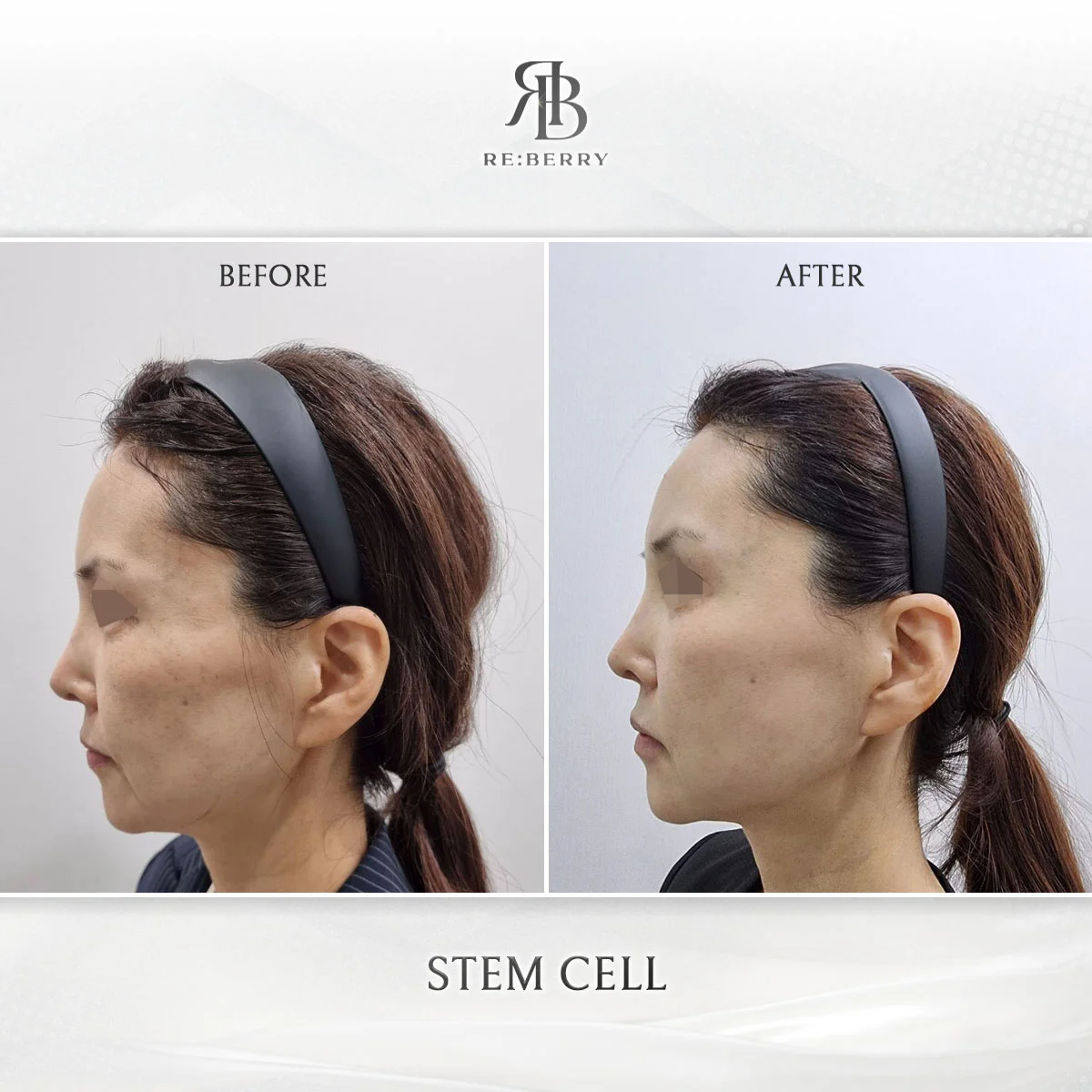
How Stem Cell Therapy Works for Skin Rejuvenation
Stem cell therapy in aesthetic medicine harnesses the body's own regenerative capacity. Rather than introducing synthetic substances, these treatments extract, concentrate, and reintroduce biological materials including growth factors, cytokines, and exosomes. The concentrated bioactive compounds activate dormant fibroblasts and stimulate new collagen and elastin synthesis at the cellular level.
The term covers several distinct protocols. Autologous blood therapy draws 20-60ml of the patient's blood, processes it through centrifugation at 3,000-4,000 RPM for 10-15 minutes, and isolates a platelet-rich concentrate containing 3-5 times the normal growth factor density. This concentrate is then reinjected into targeted facial zones using microinjection techniques at precise dermal depths.
Types of Stem Cell Treatments Available
Autologous Blood Therapy and Eternal Booster
Autologous blood therapy remains the foundation of regenerative aesthetics. The procedure uses the patient's own biological material, eliminating rejection risk entirely. The Eternal Booster protocol amplifies this approach by combining concentrated blood-derived growth factors with proprietary regenerative ampoules. Each session delivers targeted rejuvenation to the face, scalp, or systemically via IV administration.
Exosome and Growth Factor Protocols
Exosome treatments represent the next evolution in regenerative medicine. Exosomes are nanoscale vesicles (30-150 nanometers) that carry signaling molecules between cells. When applied topically after microneedling or injected directly, they accelerate tissue repair by delivering mRNA and microRNA to target cells. Clinical observations indicate that exosome protocols produce measurable improvements in skin elasticity within 6-8 weeks. Kim JH et al. Int J Mol Sci. 2023;24(5):4358. doi:10.3390/ijms24054358
Who Benefits from Stem Cell Therapy
Stem cell treatments address multiple aging concerns simultaneously. Patients aged 35-65 experiencing volume loss, skin laxity, dullness, or fine lines are typical candidates. The regenerative approach is particularly effective for individuals who have plateaued with conventional treatments like Botox and fillers and seek deeper tissue-level improvement. Those with thinning hair also benefit from scalp-targeted stem cell protocols.
Contraindications include active cancer, blood disorders, autoimmune conditions in flare, and pregnancy. Patients on anticoagulant therapy require medical clearance before autologous blood procedures. A thorough consultation evaluates complete medical history, current medications, and specific rejuvenation goals before recommending a treatment plan.
The Treatment Experience in Gangnam
A stem cell therapy session in Gangnam follows a structured protocol. The appointment begins with a blood draw (15-20 minutes for processing), followed by topical anesthetic application to the treatment area. The injection phase takes 30-45 minutes, with practitioners using a grid pattern to ensure uniform distribution across facial zones. Most patients describe the sensation as mild pressure with occasional pinching.
Post-treatment, mild redness and swelling persist for 24-48 hours. Patients return to normal activities the same day, avoiding direct sun exposure and strenuous exercise for 72 hours. Results develop progressively as collagen remodeling occurs over 4-12 weeks. RE:BERRY Gangnam recommends 3-4 sessions spaced 4 weeks apart for optimal regenerative outcomes, with annual maintenance sessions to sustain improvements.
Expected Results and Timeline
Initial improvements in skin hydration and texture appear within 2-3 weeks as growth factors stimulate fibroblast activity. Peak collagen production occurs at 8-12 weeks post-treatment, delivering visible firming, reduced fine lines, and improved skin luminosity. A 2022 systematic review found that autologous blood-based facial rejuvenation produced statistically significant improvements in skin roughness, wrinkle depth, and dermal thickness. Hersant B et al. Aesthet Surg J. 2021;41(3):NP94-NP104. doi:10.1093/asj/sjaa226
Results from a full treatment course (3-4 sessions) persist for 12-18 months. The regenerative nature of the treatment means improvements continue to build between sessions as new collagen matures and integrates with existing tissue architecture. Combining stem cell therapy with complementary treatments like Revinas radiofrequency microneedling further enhances and extends outcomes.